
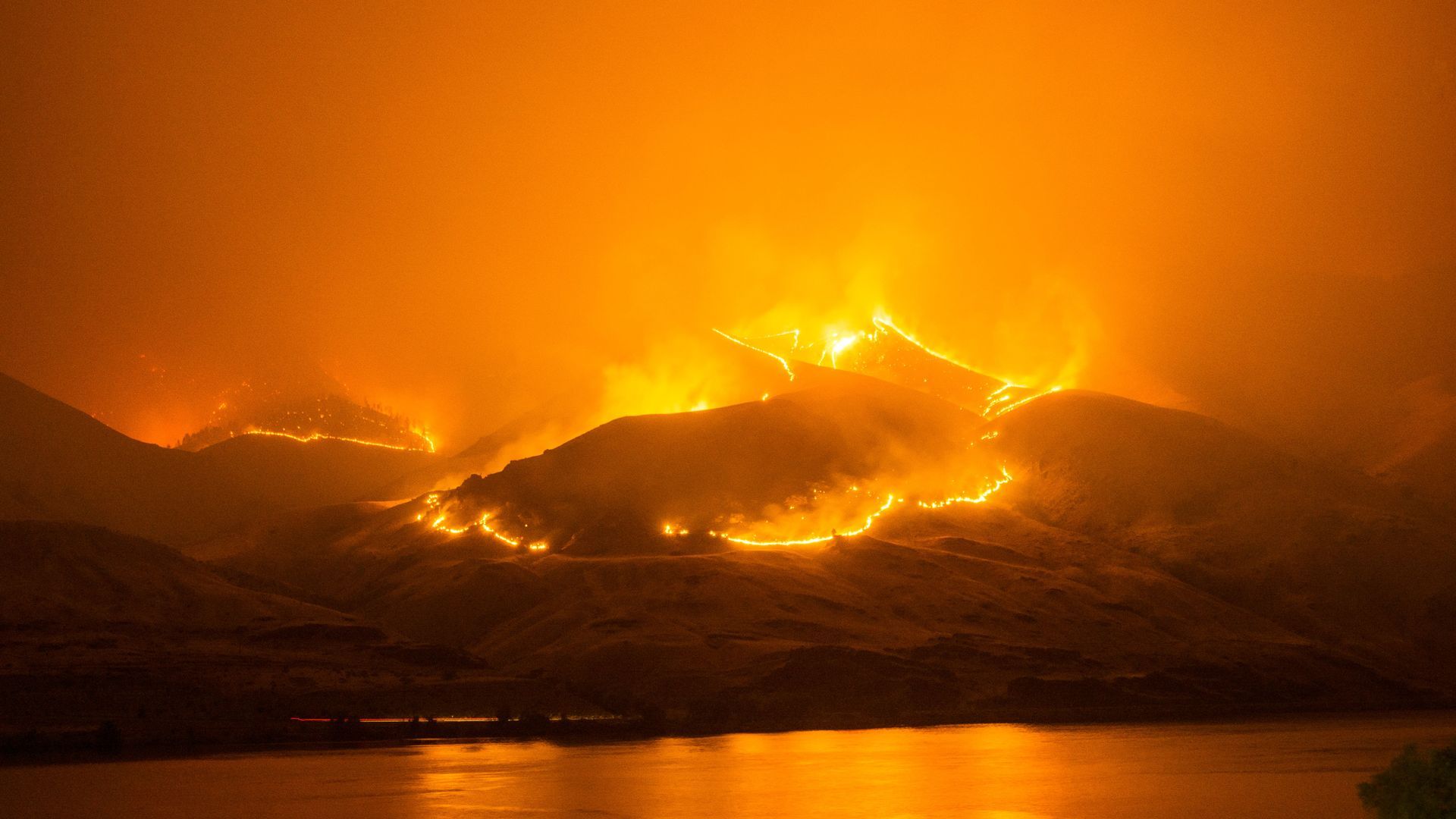
See how the 2026 wildfires hit Kittitas, Chelan, and Okanogan counties, the toll on homes and land, and how to prepare your property before next season.
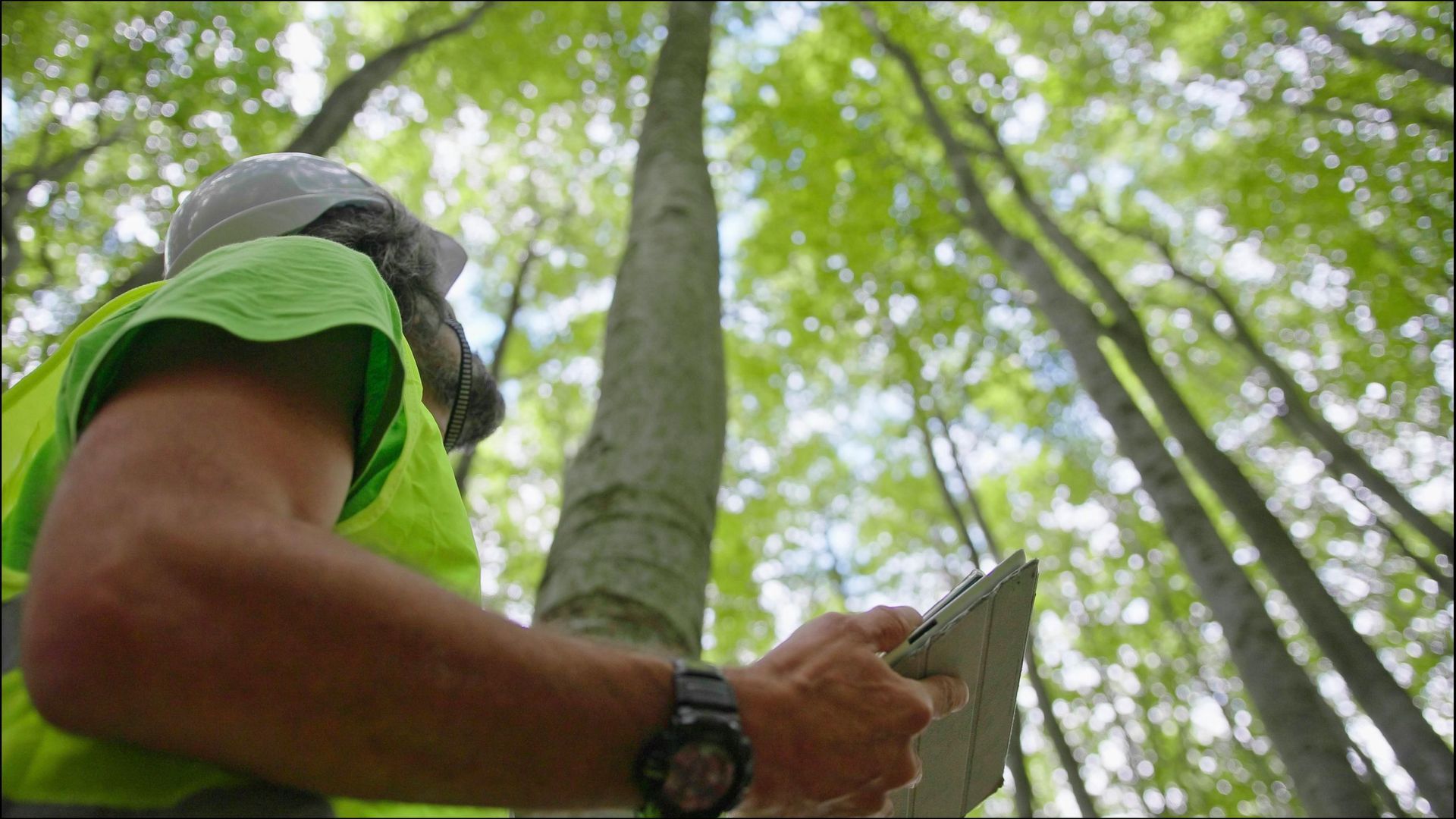
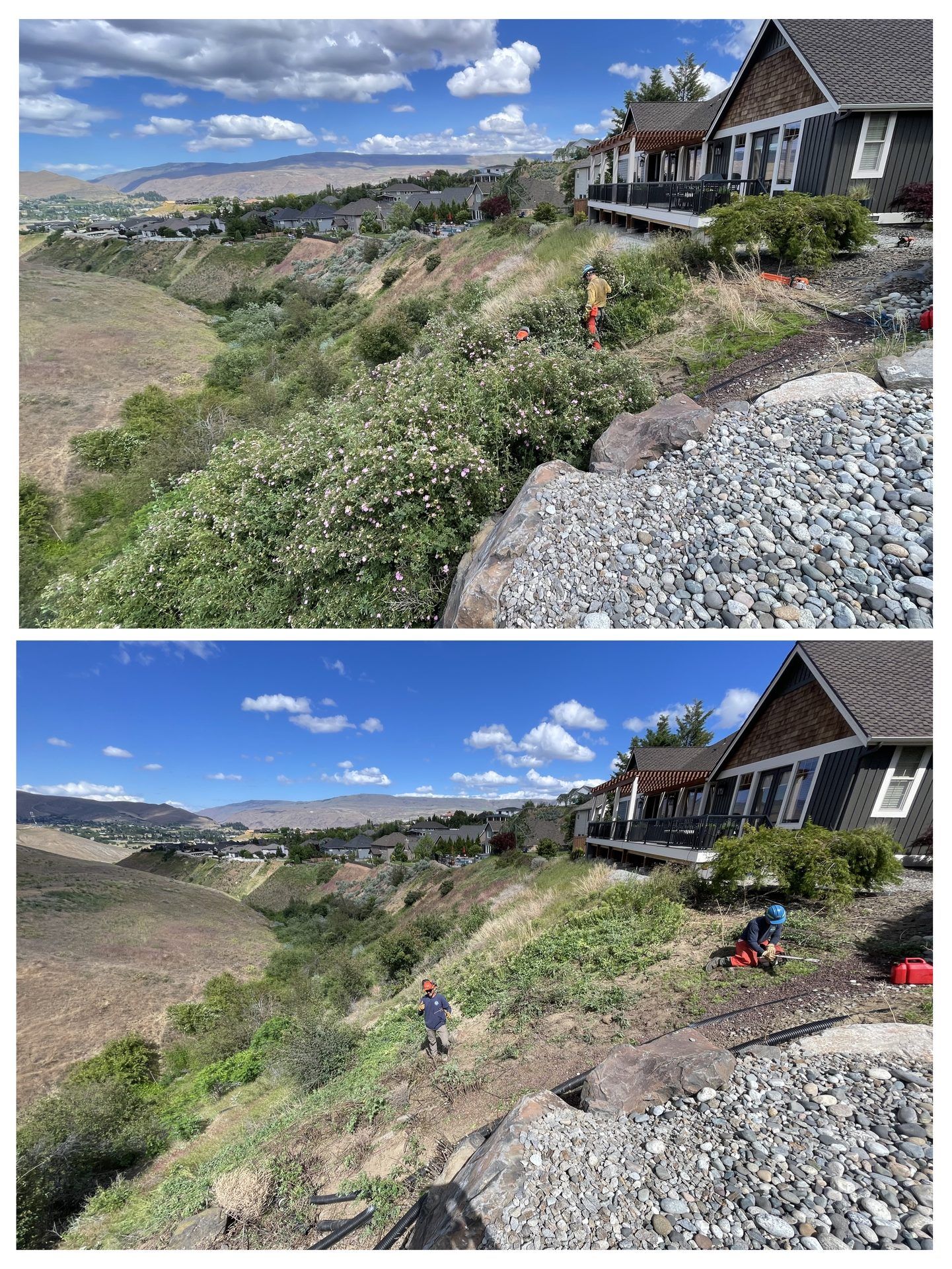
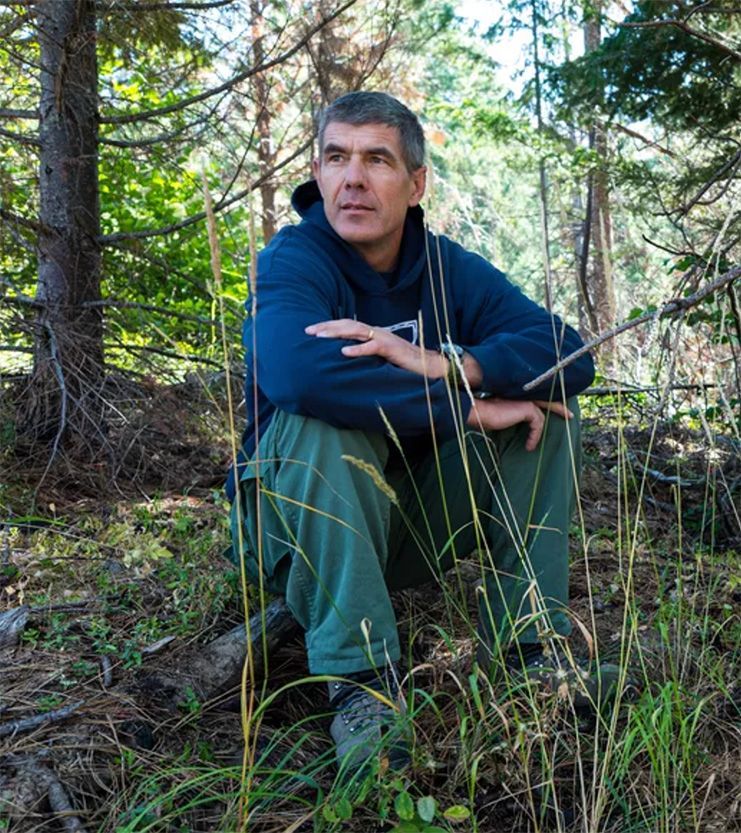
Getting Firewised in Central Washington If you own property in Roslyn, Washington you've probably heard the "fuels crew." Maybe you've seen a wood chipper parked along a forest road, or one of your neighbors mentioned getting their lot "firewised." You may also have heard of Blue Pine Fuels. What you may not understand is how these efforts connect, and where each one fits into the bigger picture of keeping Roslyn safe from wildfires, which traces back to one summer, one fire, and one volunteer firefighter who couldn't stop thinking about what almost happened. The Fire That Changed How Roslyn Thinks About Wildfire Fuel In 2017, the Jolly Mountain Fire burned roughly 36,000 acres in the Cle Elum area. It came close enough to Roslyn that the town had to seriously reckon with what a direct hit would look like. By some accounts, it was the near-miss that changed Kittitas County's entire approach to wildfire. Chris Martin was a volunteer firefighter with Roslyn Fire at the time. During the Jolly Mountain response, he was asked to step into the role of the city's emergency management coordinator. That put him at the center of a question a lot of Central Washington communities were asking that year: we got lucky this time, so what do we actually do differently before the next one? For Chris, the answer wasn't a single project. It was years of work — writing grant applications, studying fire behavior, and helping build the systems Roslyn now relies on to reduce wildfire risk before a fire ever starts. Between 2017 and today, that effort has brought in more than $1.5 million in grant funding specifically to reduce fuels around Roslyn. How Roslyn's Wildfire Mitigation Effort Actually Works Wildfire mitigation in a town like Roslyn isn't the work of one organization. It's a layered system, and understanding the layers helps explain why a homeowner might interact with more than one of them. The interagency fuels crew. In 2021, Chris helped launch an interagency crew — originally the Roslyn Fuels Crew, now part of what's known as the Upper Kittitas County (UKC) Fuels program — bringing together Cle Elum Fire, Kittitas County Fire District 6, Fire District 7, Roslyn Fire, and the Washington Department of Natural Resources. This crew does exactly what its name suggests: reduces wildfire fuel on a community scale, working through a queue of properties each season as funding and capacity allow. County and state coordination. The Kittitas County Conservation District and the Kittitas Fire Adapted Communities Coalition coordinate larger landscape-scale work. This includes thinning forestland, building fuel breaks, and applying for the kind of federal grants that fund treatment across thousands of acres at once. DNR runs its own thinning and cost-share programs alongside this work. Wildfire mitigation services and contractors serving private homeowners. This is where Blue Pine Fuels comes in. In 2022, Chris founded Blue Pine Fuels to bring that same fuels-reduction expertise directly to individual landowners, HOAs, and agencies. Blue Pine Fuels take on defensible space, home hardening assessments, and property-specific projects that fall outside what interagency crews are resourced to cover, without the scheduling constraints of a public program's queue. None of these layers compete with each other. They're solving the same problem at different scales, for the same underlying reason: there's more high-risk land in Central Washington than any single crew, agency, or company can treat alone. A property owner who wants help has real options. Public programs (when they're available). Private contractor when they want to move faster or need work a public program's scope doesn't include. Why the Name "Blue Pine" It's not a landscaping-company name that got repurposed. "Blue Pine" refers to the distinctive blue-gray hue of a pine tree infested by mountain pine beetles — trees streaked by a fungus the beetles carry, killed from the inside, and left standing: dry, brittle, and full of resin. Dead blue pines are some of the most dangerous fuel in Western forests, and finding and removing them is a core part of the work. The name is a daily reminder of exactly what the company exists to do. The Team Behind the Work Blue Pine Fuels isn't a landscaping business that added "wildfire" to its service list. Every member of the team has direct fire or fuels experience: Chris Martin, President — volunteer firefighter and EMT with Roslyn Fire since 2011, past Chair and current Director of the Washington Prescribed Fire Council, Vice-Chair of the Kittitas Fire Adapted Communities Coalition, and a member of the WA DNR Wildland Fire Advisory Committee. Sean Frank, Account Manager — nearly a decade with the U.S. Forest Service in wildfire suppression and prescribed fire across the Western U.S. and Alaska, now focused on fuels reduction in the Leavenworth area. Devin Dykes, Operations Manager — eight years with the Forest Service, including time as a Hotshot and helicopter rappeller, with a carpentry background that informs the company's home hardening work. Anya Leach, Data and GIS Analyst — a former USGS physical scientist who builds the risk maps and spatial models used to prioritize treatment. What This Means if You're Trying to Get Your Property Wildfire Ready or Firewised Here the fire mitigation options for property owners in Roslyn or the Central Washington area: Public programs like UKC Fuels and DNR cost-share are worth checking into for larger landscape-scale or community projects. These programs are often free or heavily subsidized. They also run on limited crews and seasonal queues, which means timelines aren't always predictable. Blue Pine Fuels can help you figure out whether you qualify. If you need work done on your own schedule, want a formal wildfire risk assessment with documentation for your insurance company, or have a property that falls outside what public programs are resourced to handle, that's where hiring a private contractor makes sense. Blue Pine Fuels offers a $125 on-site assessment with no obligation. You'll get a written scope of work and, where eligible, help identifying grant funding that can offset the cost. Frequently Asked Questions Is Blue Pine Fuels connected to the county's fuels crew? Blue Pine Fuels isn't the same organization as UKC Fuels, but its founder, Chris Martin, helped start that interagency program in 2021 before founding Blue Pine Fuels in 2022. The two grew out of the same community response to wildfire risk in Roslyn. Do I have to hire a private company, or can I get help for free? It depends on your property and timing. Public programs and grant-funded projects can cover some or all of the cost of fuels reduction work, but availability varies by season and funding cycle. Blue Pine Fuels can help you understand what you may qualify for, whether or not you end up hiring a contractor. What's the difference between calling the county and hiring Blue Pine Fuels? Public fire mediation crews generally work through a scheduled queue and focus on community- and landscape-scale treatment. Blue Pine Fuels works directly for individual property owners on their own timeline. They also handle additional services that fall outside most public programs' scope, such as IBHS-certified home hardening assessments and written wildfire protection plans . Does Blue Pine Fuels only work in Roslyn, Washington? No. While the company started in Roslyn, it now serves property owners, HOAs, and communities throughout Central Washington, including Cle Elum, Leavenworth, Wenatchee, Cashmere, Easton, Plain, and Suncadia. Getting Started Whether you end up working with a public program, Blue Pine Fuels, or some combination of both, the first step is the same: understand your property's actual risk. Call: (509) 260-1492 Online: bluepinefuels.com/request-assessment Blue Pine Fuels provides wildfire mitigation services throughout Central Washington, including Roslyn, Cle Elum, Leavenworth, Wenatchee, Cashmere, Easton, Plain, and Suncadia. We serve homeowners, HOAs, communities, and government agencies with defensible space, fuels reduction, home hardening assessments, wildfire protection plans, and grant funding assistance.
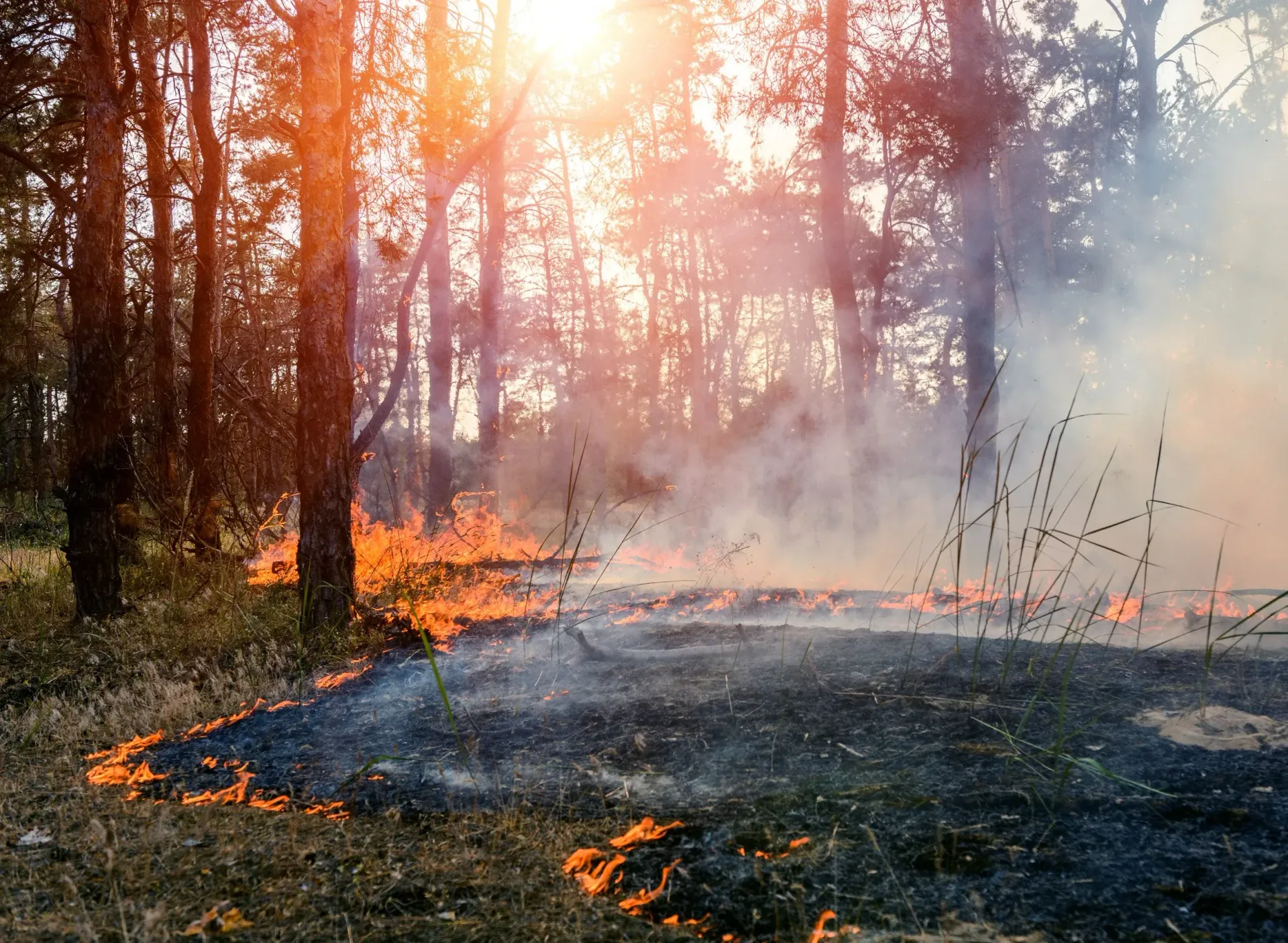
Comprehensive guide to wildfire preparedness for Central Washington homeowners — defensible space zones, home hardening, seasonal maintenance, grant funding, and when to call a professional.
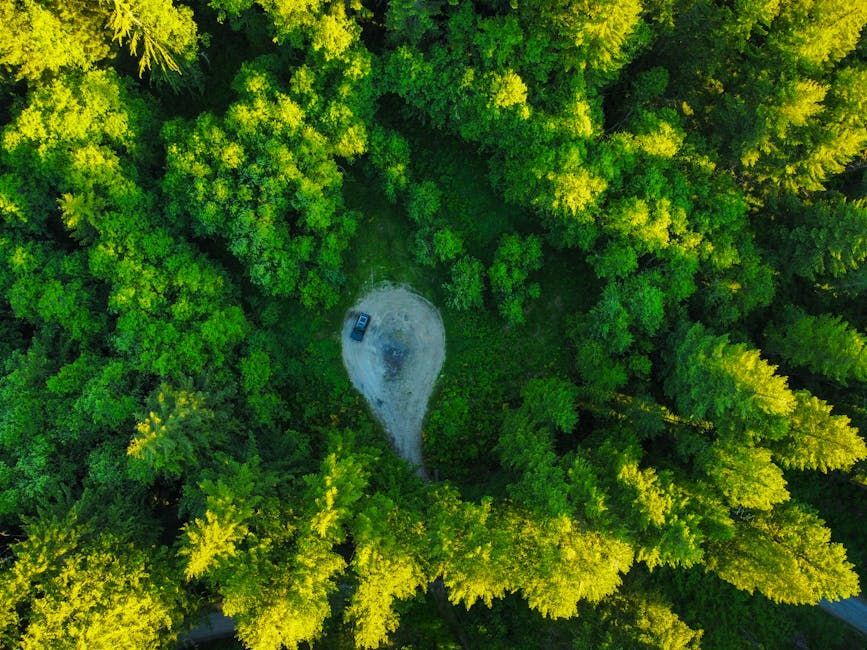
Understand defensible space for wildfire safety. Learn about the three zones & avoid common mistakes. Contact us for a risk assessment!

Learn how to protect your homeowner's insurance with wildfire risk assessments & mitigation strategies. Contact us for assistance!
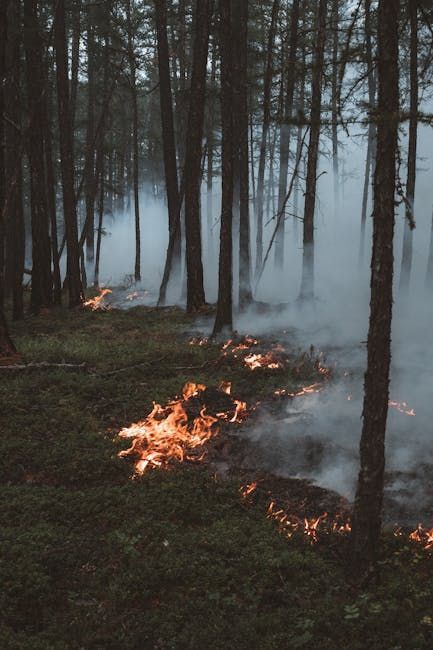
Learn how Washington homeowners can access grants for defensible space & wildfire risk reduction. Get started on your mitigation today!
Learn the 5 biggest wildfire mistakes homeowners make. Ensure your home is safe with proper risk assessments & mitigation strategies.
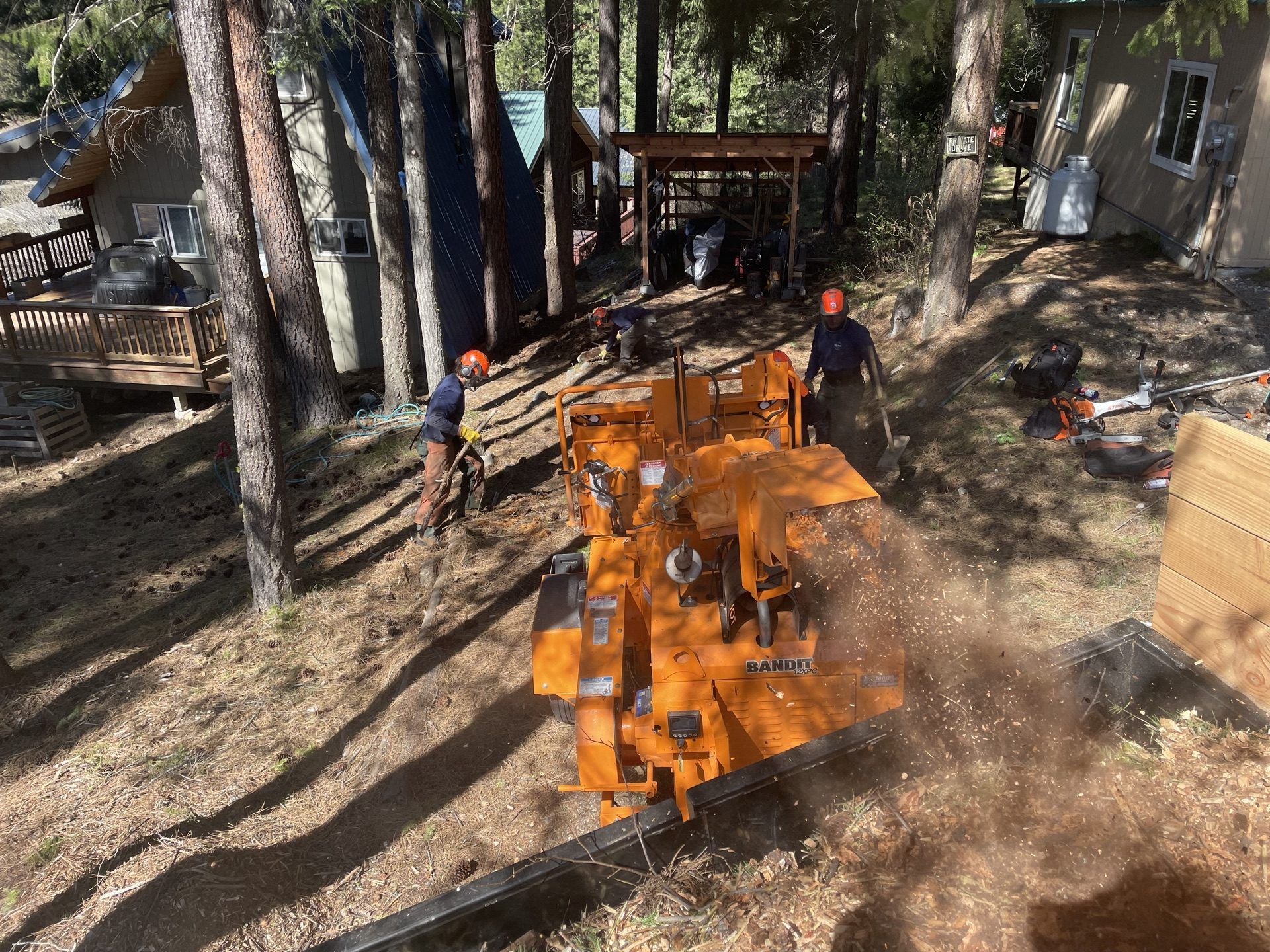
Learn how Blue Pine Fuels uses hand crews & machines for effective wildfire risk assessments. Contact us for tailored solutions!